Blind Boxes Explained
Sealed boxes, hidden rarities and printed ratios: what the maker actually tells you before you open one, and what it never guarantees.
ThreeA Wiki desk2 min read
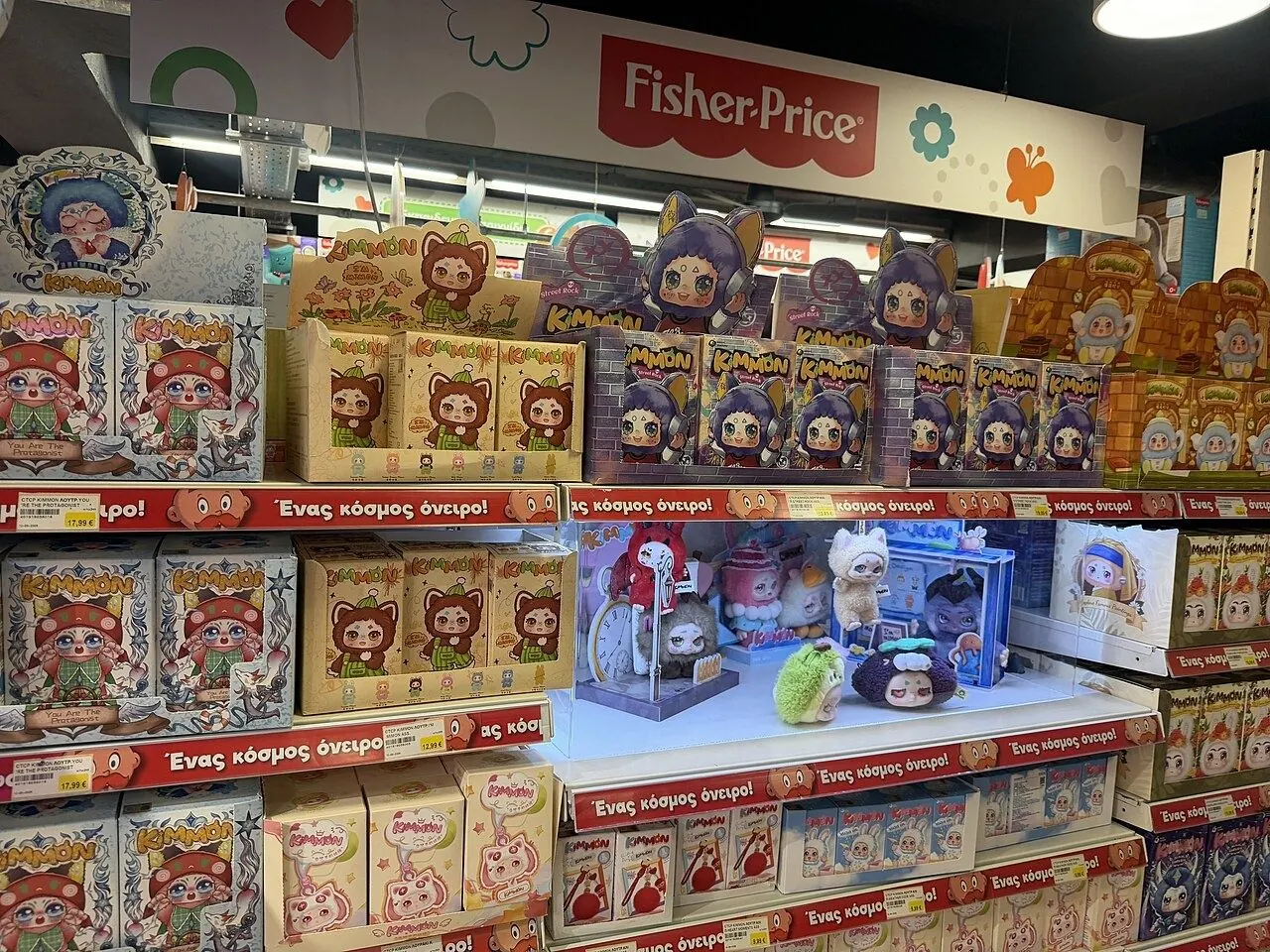
Photo: Liekkikoira / Wikimedia Commons, CC0
A blind box is a sealed box holding one random figure from a series, so you only find out which design you got when you open it. Most series also hide a rarer secret or chase figure, and makers such as Kidrobot print the odds for each design.
What a Blind Box Is
Each series has a set of regular designs shown on the box and in the maker’s listings, all sold in identical outer packaging. Kidrobot, which describes itself as one of the first companies to sell blind-box art figures, says the format was created to preserve the rarity and collectibility of the figure inside. It also seals each figure in a foil bag inside the box, which it says keeps buyers from cheating with X-rays.
The rare extras go by several names. A secret is usually a figure left off the published lineup or shown only as a silhouette; a chase or super chase is a scarcer variant packed at lower odds. The key point is that rarity is set by the maker at the factory, not by chance at the shop.
How Cases and Odds Work
Makers express odds as a ratio of boxes. Kidrobot’s Exquisite Corpse Dunny series, for example, lists each design on its product page with ratios such as 2/24 or 3/48, a super chase at 1/96, and a blacked-out mystery figure marked ??/??. Pop Mart’s series pages state that a whole set contains 12 non-repeating blind boxes and that the chances of drawing a secret figure vary from set to set. Other makers print the ratios on the side or back of the box.
Boxes are packed into cases or display trays. For that Dunny series, Kidrobot sells case packs of 24 boxes and states plainly that ordering a case does not guarantee one of every figure. A Pop Mart whole set, by contrast, is built so its boxes do not repeat, which makes it the most reliable way to get a regular lineup without duplicates. Neither guarantees the rare figure.
Trading, Shaking and Spending Sensibly
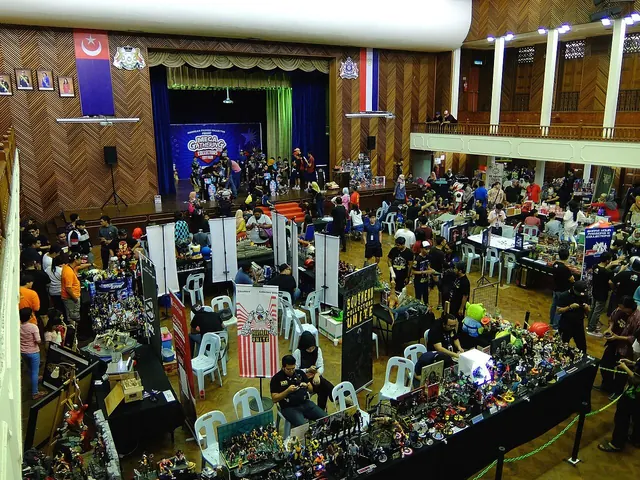
Since duplicates are part of the grab-bag process, collectors trade to match up their extras for the pieces they still need, at meetups, in collector groups and in online swap threads. Trading is usually a cheaper route to a finished set than opening more boxes.
Some buyers shake, weigh or feel boxes in the hope of identifying the figure inside. There is no reliable evidence that it works, and inner packaging such as Kidrobot’s foil bags is meant to keep the contents hidden, so skip such tricks and avoid opening or tampering with boxes in a shop.
Spending sensibly starts with the numbers the maker publishes. Read the listed ratios before buying, count how many regular designs you actually want, and set a limit before you start. Expect duplicates, decide in advance whether you will trade or stop, and check whether the series carries an age warning; Pop Mart, for example, labels its series figures as not suitable for persons under 15.
The practical takeaway: a blind box is a small, deliberate gamble with odds the maker sets. Check the printed ratios for each series, buy a whole set only if you want the regular lineup, and use trading rather than extra boxes to finish it.
General information for collectors, checked against the sources below at the time of writing. Makers change product lines and packaging; check the maker’s own pages before you buy, repair or ship a piece.