What Are Designer Toys
From customized G.I. Joes at Hong Kong toy shows to platform figures and blind boxes, the short story of how artists turned vinyl into collectibles.
ThreeA Wiki desk2 min read
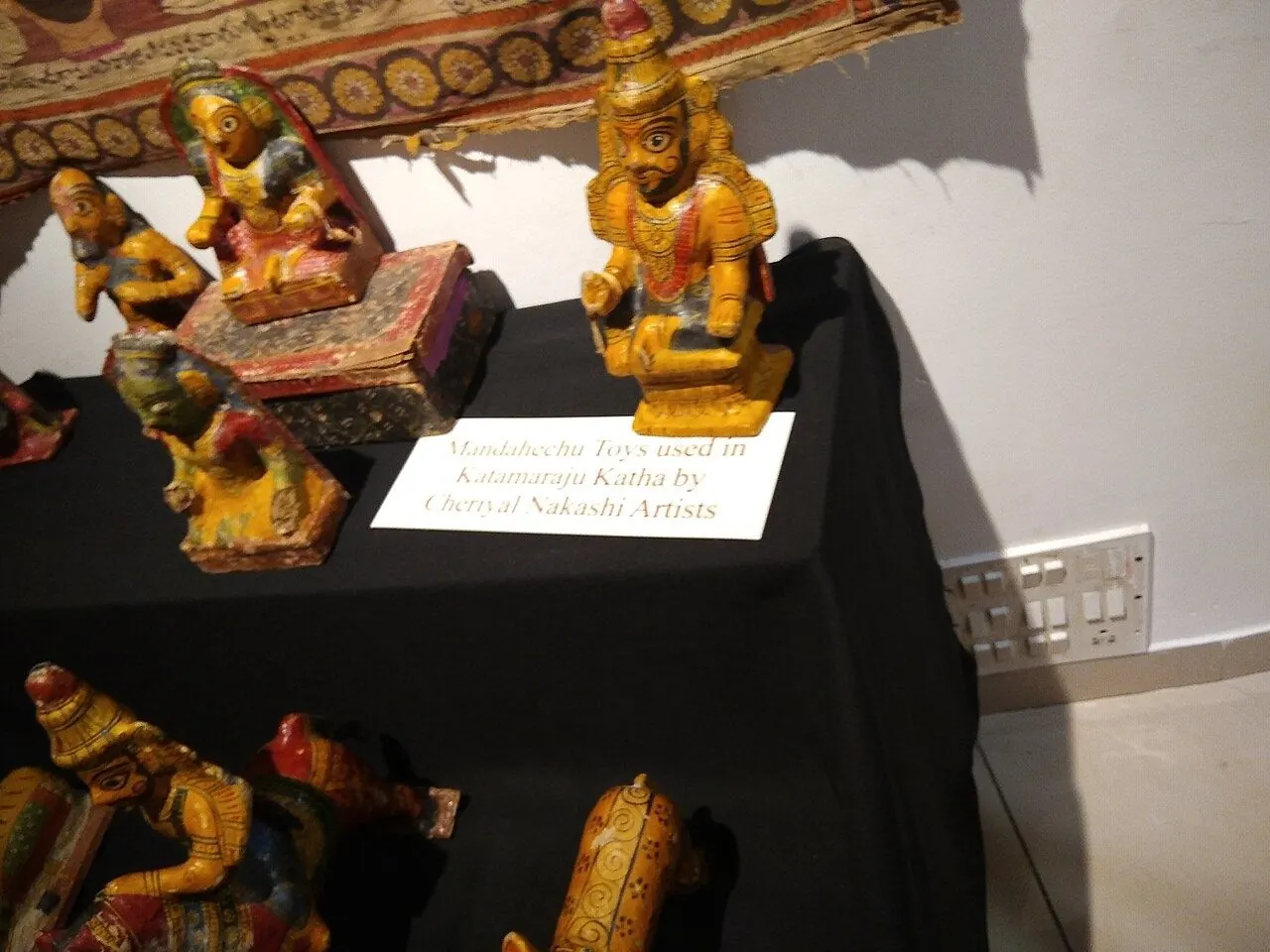
Photo: Adbh266 / Wikimedia Commons, CC BY-SA 4.0
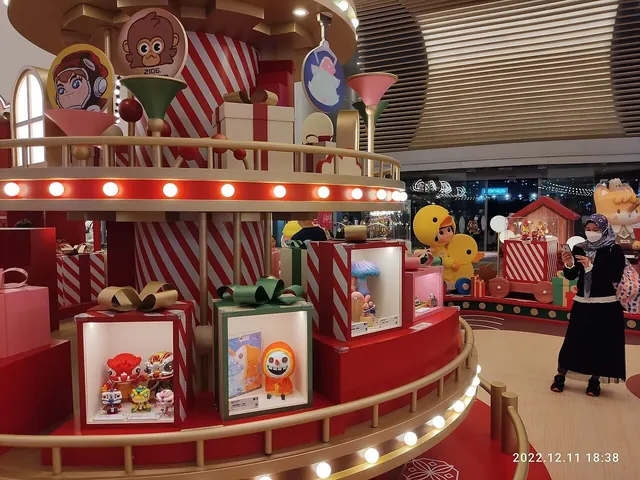
Designer toys, also called art toys or urban vinyl, are collectible figures created by artists and released in limited editions, mostly for adult collectors rather than children. The scene began in Hong Kong and Japan in the 1990s and grew into a global category through platform figures and blind-box releases.
Hong Kong’s Origin Story
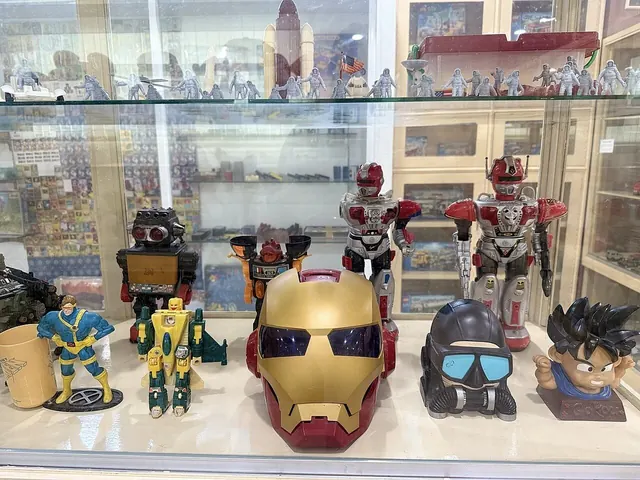
Hong Kong toy convention culture played a direct role. Michael Lau customized standard G.I. Joe and other military figures, recasting heads and hands and sewing new clothes to turn them into hip-hop and streetwear characters. Eric So, another Hong Kong pioneer, began making figures in 1998 and became known for his 12-inch Bruce Lee figures.
The Hong Kong scene was galvanized in 1999 by Michael Lau’s Gardener series. This series brought the new category into wider view and is widely treated as the start of the urban vinyl trend.
Japan, Platform Toys and the U.S. Market
Japan moved at the same time. The Japanese streetwear label Bounty Hunter released vinyl figures such as Kid Hunter and the BxH Skull-Kun in 1997, and Medicom Toy became one of the defining pillars of the early era. In 2001, Medicom Toy released the first run of Be@rbrick, a simplified bear figure with articulating limbs. The Be@rbrick form became a go-to platform figure: one shape designed to be reinterpreted by many artists.
The category took hold in the United States when Paul Budnitz founded Kidrobot in 2002, first importing toys from Japan and then opening a store in San Francisco. The Dunny, a bunny-like platform figure conceived by Budnitz and Tristan Eaton, launched in 2004, and the blank do-it-yourself Munny followed in 2005, sold plain so owners could draw and paint their own designs.
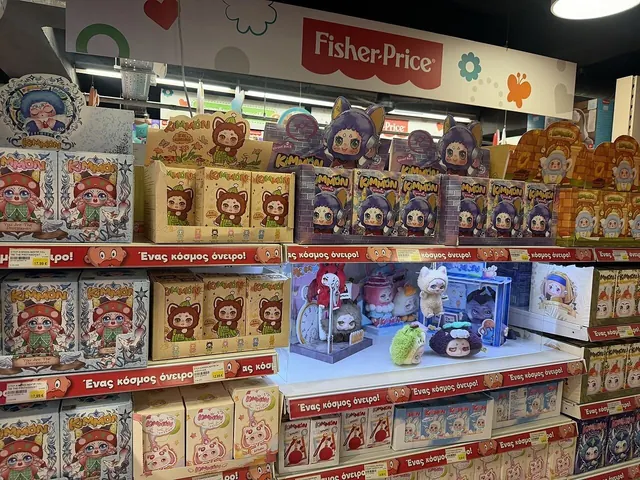
Kidrobot describes itself as one of the first makers of blind-box collectible art figures, a format it says was created to preserve the rarity and collectibility of the figure inside. Its small Dunnies come foil-bagged inside a sealed box, so the buyer does not know which artist’s design is inside until it is opened.
What Designer Toys Are Made Of
Designer toys are best understood as collectibles created by artists and designers, not playthings built for a toy box. Vinyl is the classic material, but artists also work in ABS plastic, resin, wood, metal, latex and plush.
They are released across a wide range of sizes, from blind-box minis a few inches tall to large display editions; Kidrobot’s Dunny, for example, has been made in sizes from 3 inches up to 4-foot editions. Collectors seek limited editions, artist variants and colorways, and the rare figures hidden in blind-box series.
The blind-box idea later scaled up in mainland China. Pop Mart, founded in Beijing in 2010, launched its first blind-box series in 2016 with Kenny Wong’s Molly character, and blind boxes have since become one of the most familiar ways new collectors meet art toys.
In plain terms, a designer toy is an artist-driven collectible figure made in a limited run. When judging one, look at who designed it, which maker produced it, and how large the edition was: those three facts explain most of what collectors care about.
General information for collectors, checked against the sources below at the time of writing. Makers change product lines and packaging; check the maker’s own pages before you buy, repair or ship a piece.