What Figures Are Worth
Real sold results, honest condition grading and complete packaging decide what an old figure is worth, and how to check each one step by step.
ThreeA Wiki desk2 min read
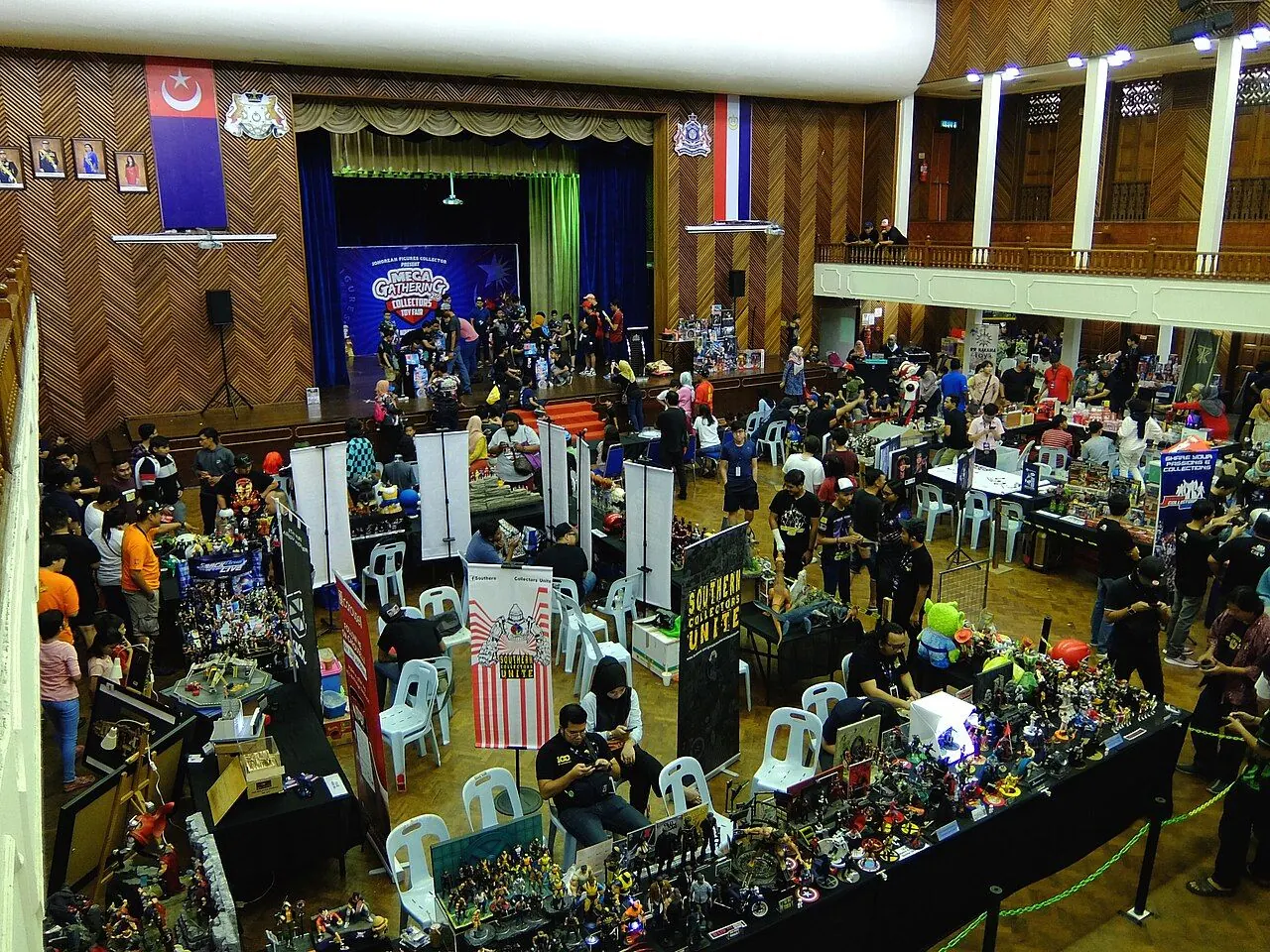
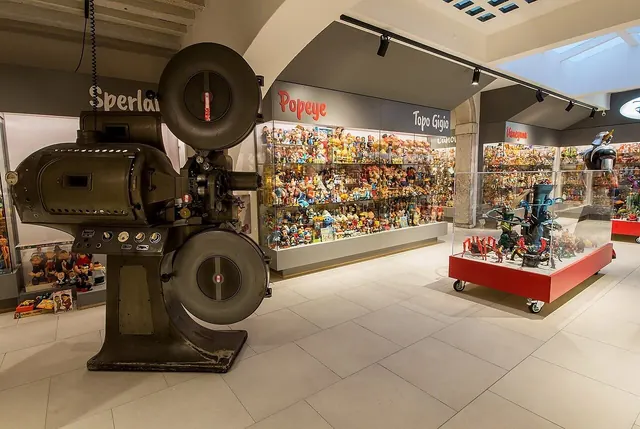
Photo: Chongkian / Wikimedia Commons, CC BY-SA 4.0
To find out how much your action figures are worth, compare them against what the same figures actually sold for, not what sellers are asking, and match the sales to your figures' packaging and condition in collector terms.
Sold prices, not asking prices
Start by searching the exact figure name, line and year on eBay and switching on the Sold items filter in the search results. Active listings show hopeful asking prices; sold listings show what buyers really paid. eBay's own product research tool gives sellers up to three years of sales data. Completed auction archives from established auction houses add records for rarer and higher-end pieces, and printed price guides help identify variants but date quickly.
When comparing, look at several sales rather than one, check the date of each sale, and match like with like: the same variant, the same packaging state and the same completeness. Study the photos and descriptions of sold examples for what is included, such as weapons, stands, inserts, instructions and mailer boxes, and note any reproduction parts. A single high sale is an outlier, not a value.
Condition and completeness terms
Collectors have a shorthand for what state a toy is in and what is in or missing from the packaging.
| Term | Meaning |
|---|---|
| MISB (Mint in Sealed Box) | Still factory sealed and untouched |
| MOC (Mint on Card) | Carded figure with the bubble unopened and the card in top condition |
| MIB (Mint in Box) | Opened but the figure and original packaging are in perfect condition |
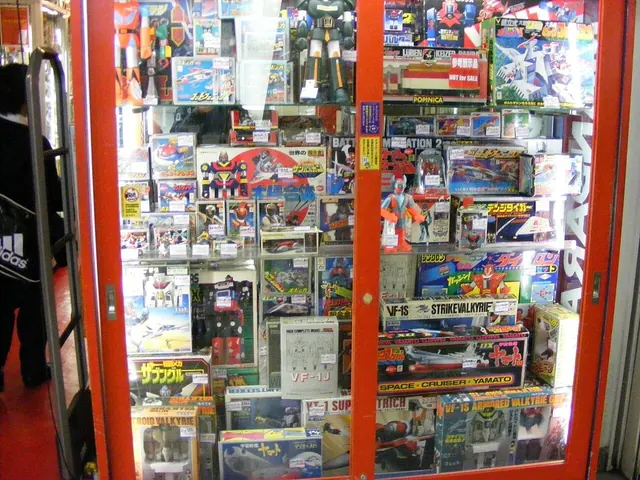
| CIB (Complete in Box) | All original parts, accessories and packaging present |
| Loose complete | No packaging, but every accessory is present |
| Loose | No packaging, parts may be missing |
In general, sealed examples sell above opened ones, and complete examples above incomplete ones, but the gap varies a lot from line to line.
What changes value
What raises value: condition, completeness, original packaging with its inserts and instructions, exclusives and variants with small production runs, and demand for the character or line. What lowers it: yellowed or discolored plastic, sun-faded boxes, loose or broken joints, sticky or cracked soft parts, missing accessories, and creased, torn or price-stickered packaging. Honest photos of every side of the figure and box are the best way to show condition when selling.
Professional grading is an option for high-end pieces. Grading services for toys, such as AFA, assess the packaging, the blister or window and the figure itself, assign a numeric grade on a 100-point scale, and seal the item in a clear case. Grading mainly matters for sealed vintage figures in strong condition; for most modern or loose figures the cost of grading can outweigh any gain.
For insurance, a standard homeowners or renters policy may limit what it pays for collectibles. The Insurance Information Institute notes that a special endorsement or floater can insure valuable items separately. Insurers usually want an itemized list with photos and, for scheduled items, often a professional appraisal, so keep an up-to-date inventory and store a copy away from home.
The practical order is always the same: identify the exact figure, grade its condition honestly, then check real sold results for that version. That tells a collector whether to sell, insure, grade or simply keep enjoying the shelf.
General information for collectors, checked against the sources below at the time of writing. Makers change product lines and packaging; check the maker’s own pages before you buy, repair or ship a piece.