Action Figure Scales Explained
A plain guide to the ratios on figure boxes, why a 6-inch line is not always true 1/12, and how to keep a mixed shelf consistent.
ThreeA Wiki desk3 min read
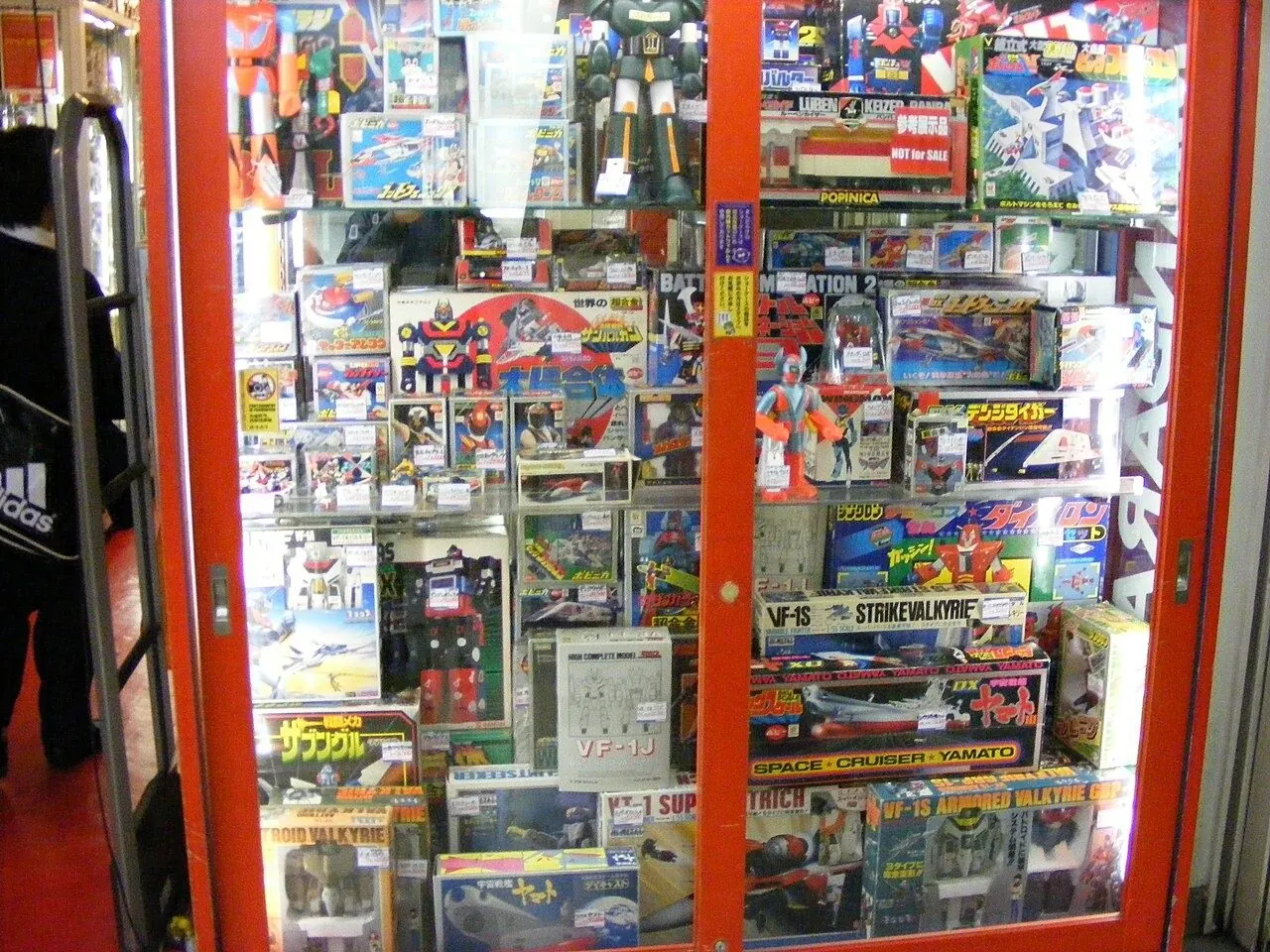
Photo: paranoidnotandroid / Wikimedia Commons, CC BY 2.0
Action figure scales may seem like a mystery to new collectors, but at their core, they're a simple ratio. When a figure is labeled 1/6 or 1/12 scale, it is one-sixth or one-twelfth the size of the real subject, usually an adult human character, so a 6-foot hero comes out at about 12 inches in 1/6 and about 6 inches in 1/12.
The common scales side by side
| Scale | A 6-foot character stands about | Typical examples |
|---|---|---|
| 1/4 | 18 in | NECA's quarter-scale figures, many premium statues |
| 1/6 | 12 in | Hot Toys, threezero, older threeA lines |
| 1/10 | 7 in | Iron Studios "Art Scale" statues |
| 1/12 | 6 in | Mafex (Medicom Toy), S.H.Figuarts (Tamashii Nations), Marvel Legends (Hasbro) |
| 1/18 | 4 in | the classic 3.75-inch lines, such as Star Wars The Vintage Collection |
In practice, 1/6 scale figures tend to range from about 11 to 13 inches, because the character's own height changes the result. Hot Toys, founded in Hong Kong in 2000, builds its range around 1:6 scale figures, and threezero offers 1/6 action figures alongside its smaller robot lines. At the big end, 1/4 is usually more statue than traditional action figure, while 1/18 is noticeably smaller, about a third the height of a 1/6 figure. 1/10 splits the difference between 1/12 and 1/6 and is used mostly for statues rather than posable toys.
Scale versus "6-inch" sizing
Confusingly, the term "6-inch" is still commonly used in marketing, but those 6 inches aren't always literal. Hasbro sells Marvel Legends as a 6-inch-scale line, which works out to roughly 1/12 for an average adult, and 1/12 figures in general are often described as about 6 to 6.5 inches. Medicom Toy's Mafex line is sold as 1/12 scale, while Tamashii Nations calls S.H.Figuarts a "palm-sized" series and lists most of its human characters at around 150 mm, just under 6 inches.
The difference matters. A true scale line shrinks every character by the same ratio, so a 7-foot giant should stand taller than a 5-foot sidekick. A "6-inch line" may instead size its heroes to a shared shelf height and nudge unusually small or large characters toward the middle. That is why a scale label is most useful for comparing brands, and why a Mafex figure and an S.H.Figuarts figure of the same character can differ by a noticeable margin next to each other.
Mixing brands and measuring
Never trust the label alone. Look at the maker's stated height in the specifications as well as the scale, and think about the character: is the villain meant to be shorter than everyone else, or taller, and how much difference does that make on your shelf? Accessories, bases and dioramas follow the same logic, so a 1/6 motorcycle or a 1/12 room set only looks right with figures of the same ratio.
To check a figure yourself, stand it straight and measure from the soles of the feet to the top of the head, not to the tip of hair, ears or a helmet crest, then compare that with the character's stated height. A 1/6 figure of a 6-foot character should come in near 12 inches, a 1/12 one near 6 inches.
The practical takeaway is simple: learn what 1/6, 1/12 and 1/4 actually mean, read each brand's own specifications, and buy by stated scale and the character's height rather than by the marketing nickname. Consistency is what makes a mixed-brand shelf look right.
General information for collectors, checked against the sources below at the time of writing. Makers change product lines and packaging; check the maker’s own pages before you buy, repair or ship a piece.