Spotting Fake Figures
A step-by-step check for second-hand buyers, from the printing on the box to the parts list, before any money changes hands.
ThreeA Wiki desk2 min read
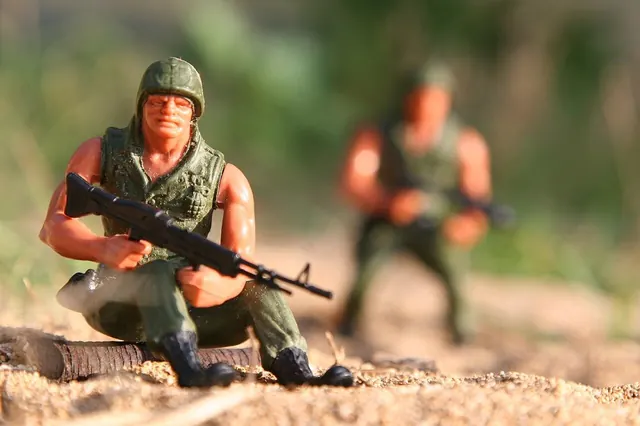
Photo: Satish Krishnamurthy / Wikimedia Commons, CC BY 2.0
When buying a second-hand collectible figure, the most reliable check is to compare it against the maker's own official product images. You can screen out many bootlegs by careful inspection of the packaging alone, then confirm with the sculpt, paint and accessories.
Packaging first
The box matters before the figure. Legitimate packaging is printed cleanly, with correct logos, branding, copyright lines and text placement, and it should match the box shown on the maker's product page. Some makers add a security mark: Bandai Spirits puts a TAMASHII NATIONS QUALITY seal with anti-counterfeiting features on most Tamashii Nations products, though not on some exceptions and not on items released before August 2018. The seal design changed in May 2023, and the newer sticker shows a different image when light hits it from a specific angle. Treat a seal as one piece of evidence, not proof on its own, and don't expect every brand to use one.
Quick, easy checks include:
- Logos. Do the maker and license logos match in shape, alignment and lettering? Logos that are altered, missing or wrongly placed are warning signs.
- Print quality. Official boxes typically have crisp color and fonts; grainy, pixelated or blurry images raise flags.
- Text. Spelling, spacing and wording should match the maker's official catalog. Read the back and sides of the box too: typos, odd fonts, a missing character or product name, or absent copyright text point to a fake.
The figure itself
After packaging, check the figure against the official photos. Bootlegs often show sloppy paint lines, overspray, simplified or blurred facial detail, visible mold seams and parts that fit badly. The plastic may feel cheaper or softer than it should, and joints can be too loose, too stiff or placed differently from the original. Count the accessories, alternate hands and effect parts listed on the maker's page; wrong or missing optional parts are a common tell.
Seller behavior and what to do next
Before paying, cross-check the listing title, photos and product details against the maker's catalog. Ask for clear close-ups of the actual item, including the box sides, the bottom panel and any seal. A listing that uses only the maker's promotional images, a seller who avoids photo requests, or a price far below recent sold listings for the same item are all reasons to slow down. None of these proves a fake alone, but together with mismatched product details they are a strong warning.
If you receive a counterfeit, stop and document everything: the listing page, the seller's messages, the exact product title and clear photos of the item and box next to the official images. Then open a claim through the platform's buyer-protection or dispute process, or through your payment provider, within its stated time limit, and report the listing as counterfeit so it can be reviewed.
The practical takeaway: the maker's own product page is your reference. Match the box, the figure and the parts list against it, treat security seals as supporting evidence, and pay only when every detail lines up.
General information for collectors, checked against the sources below at the time of writing. Makers change product lines and packaging; check the maker’s own pages before you buy, repair or ship a piece.