Yellowed Plastic Figures
Light, heat and oxidation turn white plastic yellow; prevention works, while peroxide whitening is a cosmetic last resort with real risks.
ThreeA Wiki desk2 min read
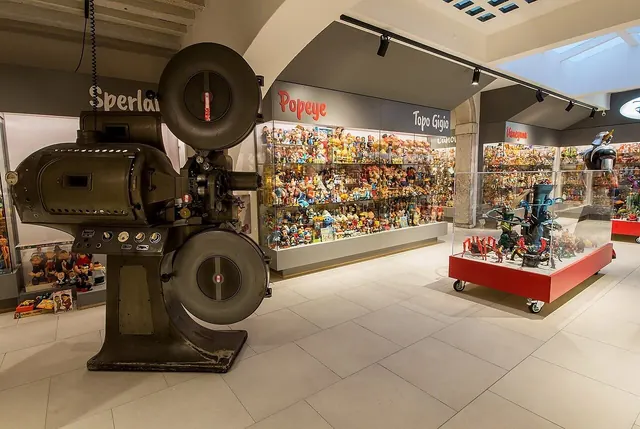
Photo: Creaturedigomma / Wikimedia Commons, CC BY-SA 4.0
Yellowing in white and clear plastic figures is caused mainly by light, especially UV, and heat driving oxidation in the plastic. The damage builds slowly and cannot be fully undone, so prevention is more reliable than trying to reverse it after the fact.
Why figures yellow
Light and heat break down polymer chains, and oxygen in the air reacts with the broken links to form new chemical groups that absorb blue light, so the plastic looks yellow. The Canadian Conservation Institute lists discoloration, especially yellowing in uncolored plastics, among the signs of light and UV damage, along with chalking, embrittlement and cracking. Heat speeds the process: according to the same guidance, the rate of deterioration roughly doubles with each 5°C (9°F) rise in temperature.
The plastic matters too. Yellowing in ABS, common in robot and vintage toy parts, has long been blamed on brominated flame retardants, which can discolor under UV. Chemistry write-ups on the subject point out that oxidation of the plastic itself, including its rubbery butadiene component, is a large part of the story. Either way, the yellow sits in the material, which is why white, gray and clear parts show it first.
How to slow it down
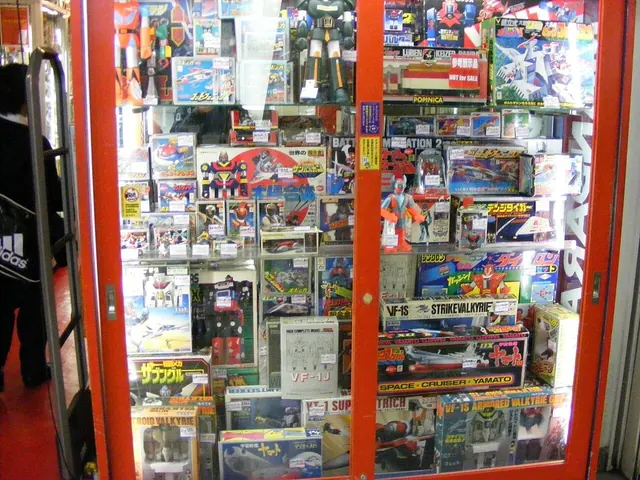
Keep figures out of direct sunlight and away from windows and skylights. Use display cases with UV-filtering glass or acrylic where possible, and light shelves with LEDs, which give off very little UV and little heat compared with halogen or incandescent bulbs. Keep the room at a stable, moderate temperature: avoid attics, sunny window ledges and spots above radiators or near lamps. For boxed or stored pieces, a dark, cool, dry closet is better than a warm garage.
What retrobrite is and is not
Retrobrite is a process that exposes yellowed plastic to hydrogen peroxide under UV light, from sunlight or a UV lamp, usually with the part submerged in the solution or coated in a peroxide cream. The peroxide breaks the light-absorbing bonds that make the plastic look yellow, and many restorers report good results on plain white or gray ABS.
It is not a repair. The treatment bleaches the surface layer and does nothing about the brittleness that aging has already caused, and restorers commonly report that yellowing creeps back over time, especially if the piece goes back into strong light. Results can be streaky or blotchy, and peroxide and prolonged UV can harm paint, printed decoration, stickers and decals, and soft or rubber parts. Mask or remove anything decorated, test on a hidden spot or a spare part first, and never treat a figure you are not willing to risk.
Hydrogen peroxide is hazardous. According to NIOSH, it can irritate the eyes, skin, nose and throat, and stronger solutions can cause serious eye damage and skin burns. Wear chemical-splash goggles and protective gloves, work in a well-ventilated space away from children and pets, and store the solution in its original labeled container.
The practical takeaway: protect white and clear figures from sunlight, UV and heat now, because that is the only method that actually stops yellowing. Retrobrite is a last-resort cosmetic treatment with real risks, best reserved for undecorated parts and done with proper eye and hand protection.
General information for collectors, checked against the sources below at the time of writing. Makers change product lines and packaging; check the maker’s own pages before you buy, repair or ship a piece.