Cleaning Vinyl Toys
Conservation guidance says clean dry first; here is how to dust, spot-clean and handle paint, costumes and sticky vinyl without harming a figure.
ThreeA Wiki desk3 min read
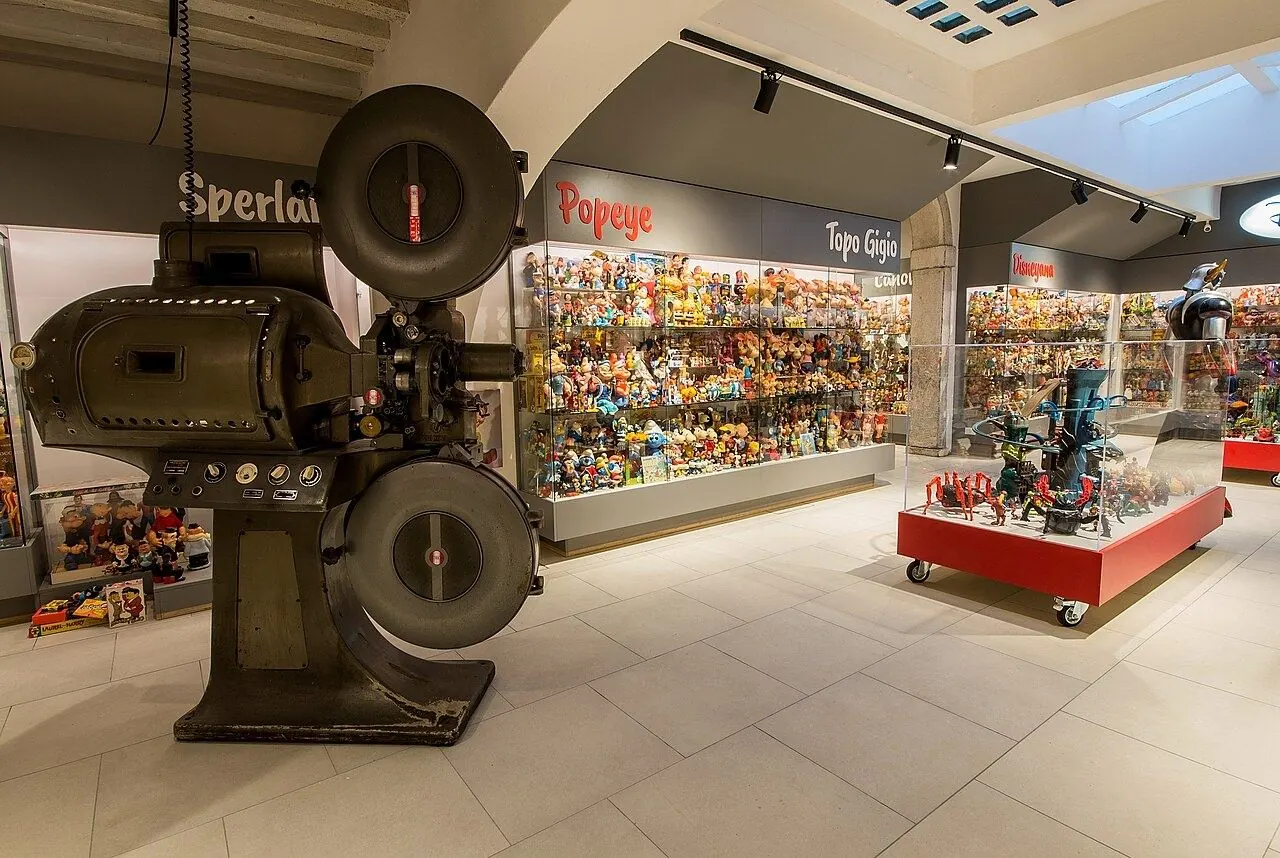
Photo: Creaturedigomma / Wikimedia Commons, CC BY-SA 4.0
Dusty and grimy vinyl toys and action figures demand a conservative touch. The main rule of thumb: clean dry first, use water only as a light damp wipe on stable bare plastic, and stop before anything touches paint, fabric or a failing surface.
Start with dry dust removal
Start the cleaning job with dust removal by blowing clean air over the figure with a bulb blower, or by vacuuming with the suction turned low and the nozzle held at a distance, never pressed against the figure. Assist the air or suction by gently brushing with a soft sable or camel hair brush, which lifts dust out of sculpted hair, panel lines and joints. For loose particles on smooth areas, the Canadian Conservation Institute (CCI) recommends microfiber cloths or cotton swabs used with a minimum number of wipes and minimum force.
These are the starting moves in the CCI's preventive guidance on plastics and rubbers, and for most shelf dust they are the whole job. Brush toward the edge of the figure rather than into crevices, and work on a towel so a popped-off accessory does not bounce away.
When dust is not the problem
When dirt lingers, grease gathers or a fingerprint has set, the cautious collector faces a real question: wet cleaning can mark, soften or lift the surface. According to the CCI, if water is needed, only moist wiping should be used, with cloths or swabs moistened, not sopping wet, with distilled water. In the CCI sequence, surfactant solutions and solvents such as ethanol come only after that, and they belong to conservators, not collectors.
The CCI does not promise that a damp wipe will fix every grimy figure. Its technical note on rubber and plastic objects says the best approach is dry brushing or vacuuming and that washing with soap and water, once widely recommended, is now regarded as a dangerous practice for these materials. That is a museum standard for irreplaceable objects; a cheap loose figure can take more risk than a limited edition, but the safer order stays the same.
What to avoid follows from the same guidance. The CCI lists oils, bleaches, wax, and vinyl and rubber erasers as things never to use on plastics. Acetone and nail polish remover dissolve or craze many plastics and paints, and even rubbing alcohol can lift factory paint apps and weathering washes, so keep solvents away from painted areas entirely. Skip hot water, soaking and the dishwasher: heat and detergent go far beyond anything conservation guidance allows for plastic.
Painted figures, costumes and sticky surfaces
Painted, weathered and hand-finished figures, a category that includes threeA's heavily weathered robots, should get dry cleaning only. Weathering is often a thin wash that a damp swab can blur in one pass, so test any damp wipe on the underside of a foot first, and stop at the first trace of color on the swab.
Fabric costumes are textiles, not plastic. The CCI's textile guidance is to surface clean by gentle brushing or by vacuuming on low suction through a fine nylon or fiberglass screen laid over the fabric, lifting the nozzle from place to place. Do not wet or launder a figure's costume while it is on the body, where dye can bleed onto the plastic underneath.
A sticky surface is often the plastic itself breaking down, not dirt. Soft PVC can exude plasticizer as it ages, and degraded rubber turns tacky and will stick to whatever it touches. Scrubbing will not fix that; the CCI advises keeping such objects apart and separating sticky surfaces with non-stick sheets such as polyester (PET) film. After any damp wipe, let the figure dry fully in open air, joints and all, before it goes back on the shelf or into a box.
The safest collector habit is not to do anything that risks paint, texture or attached items. The first move is the soft brush, the second the microfiber cloth, the third a barely damp swab of distilled water, and the last the call to a conservator for a piece that truly matters.
General information for collectors, checked against the sources below at the time of writing. Makers change product lines and packaging; check the maker’s own pages before you buy, repair or ship a piece.