Chogokin Die-Cast Robots
From a fictional anime metal to a toy tradition: the history of chogokin, the collector lines that carry it, and how die-cast wears.
ThreeA Wiki desk2 min read
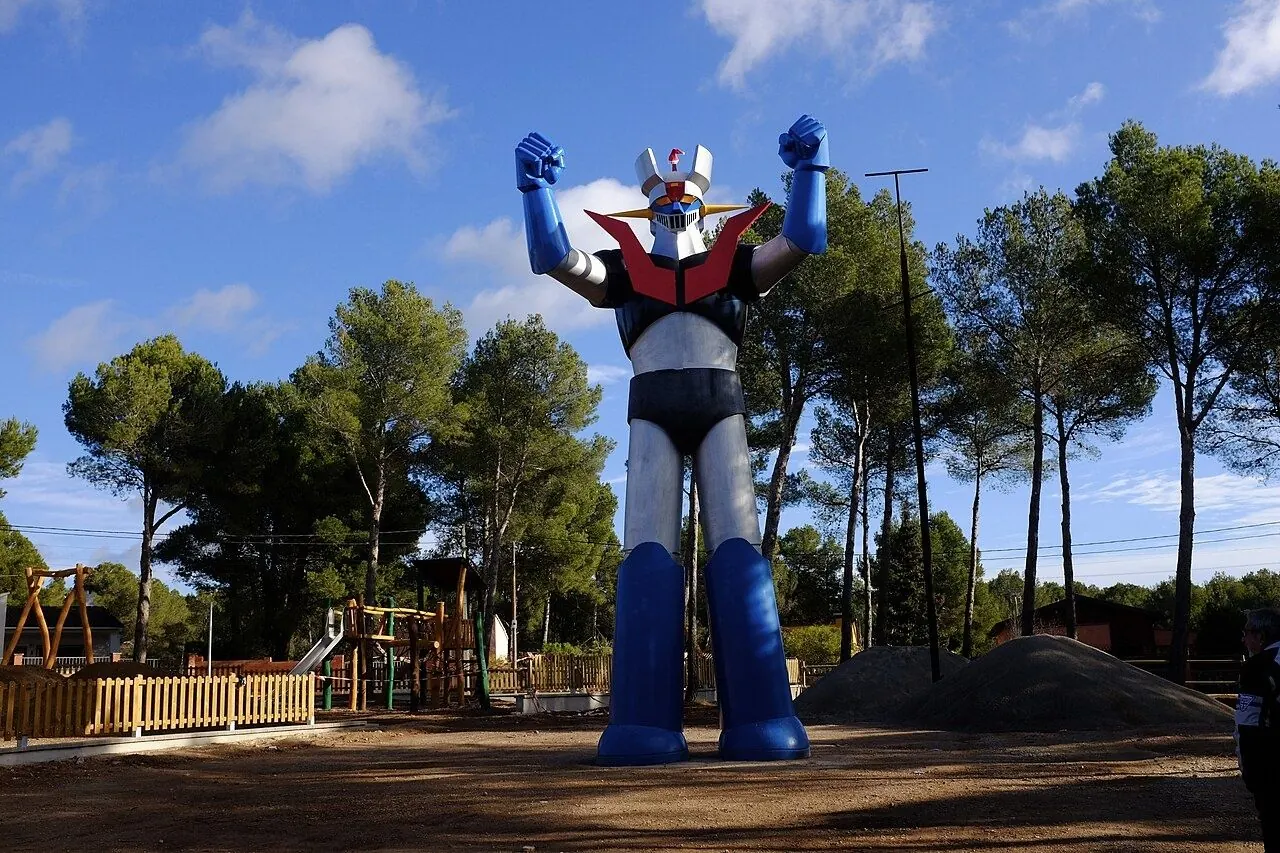
Photo: Nicolas Vigier / Wikimedia Commons, CC0
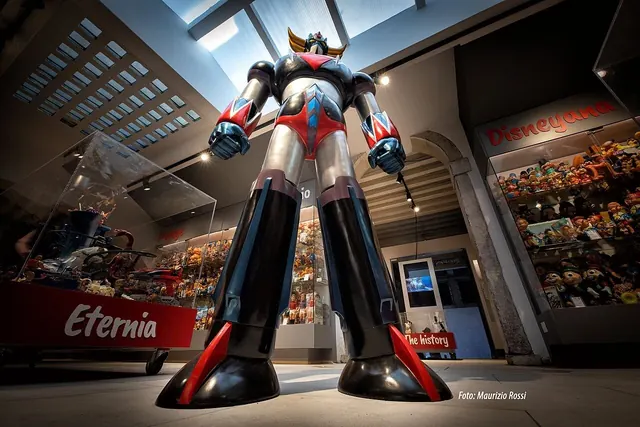
Chogokin, Japanese for "super alloy," is the name for Bandai's robot toys built with die-cast metal parts. It began with Popy's 1974 Mazinger Z toy and lives on in Tamashii Nations collector lines such as Soul of Chogokin.
What chogokin means and where it came from
The word comes from Mazinger Z, the 1972 robot anime created by Go Nagai, in which the giant robot is built from a fictional metal called Chogokin Z. After the show became a hit, Popy, a Bandai subsidiary, used the name for a new toy line made with real metal. The first Chogokin toy, GA-01 Mazinger Z, was released by Popy in 1974 and combined zinc die-cast parts with plastic.
The name stuck. Chogokin became the label for die-cast robot toys from Popy and later Bandai, and collectors still use the word loosely for any heavy metal-and-plastic robot figure.
From Popy to Bandai's collector lines
By the late 1990s, Bandai had built a collector line around that nostalgia. Soul of Chogokin started in 1997 and is aimed at adult collectors, focusing almost entirely on mecha from anime, manga and tokusatsu. Its figures carry a GX number, and the first release was GX-01 Mazinger Z, a 17 cm figure made of plastic with die-cast metal parts. The line is sold under Bandai Spirits' Tamashii Nations brand.
Metal Build is another Tamashii Nations line built on die-cast. Bandai describes it as a finished-toy brand that fuses "the appeal of die-cast metal" with design arrangements suited to each work. Metal Build is best known for Gundam figures, which come fully assembled and stand at about the height of 1/100 Gunpla kits.
What die-cast changes in hand, and how to care for it
The difference is felt the moment you pick a figure up. Metal parts give a chogokin a weight and a cool, solid feel that an all-plastic figure of the same size cannot match. The same weight asks more of the joints, shelves and stands, so heavy figures should be displayed on firm, level surfaces and not left in dramatic poses with all their weight on one ankle.
Wear on die-cast figures usually shows up in a few places:
- paint chipping where metal parts rub or click against each other during transformations or posing
- loose joints on figures that have been posed and handled often
- surface corrosion on metal that has been kept in damp storage
Handle figures by their sturdier parts, change poses slowly, and keep them dry and out of direct sun. When buying second hand, check metal areas for chips and joints for sag before anything else.
Chogokin is less about metal for its own sake than about a toy tradition that began with Mazinger Z. If you like the weight and history, Soul of Chogokin is the line that carries that tradition most directly.
General information for collectors, checked against the sources below at the time of writing. Makers change product lines and packaging; check the maker’s own pages before you buy, repair or ship a piece.