Sixth Scale Figures Guide
Twelve-inch figures with fabric costumes and swappable parts reward planning, from pre-order terms to shelf depth and careful handling.
ThreeA Wiki desk2 min read
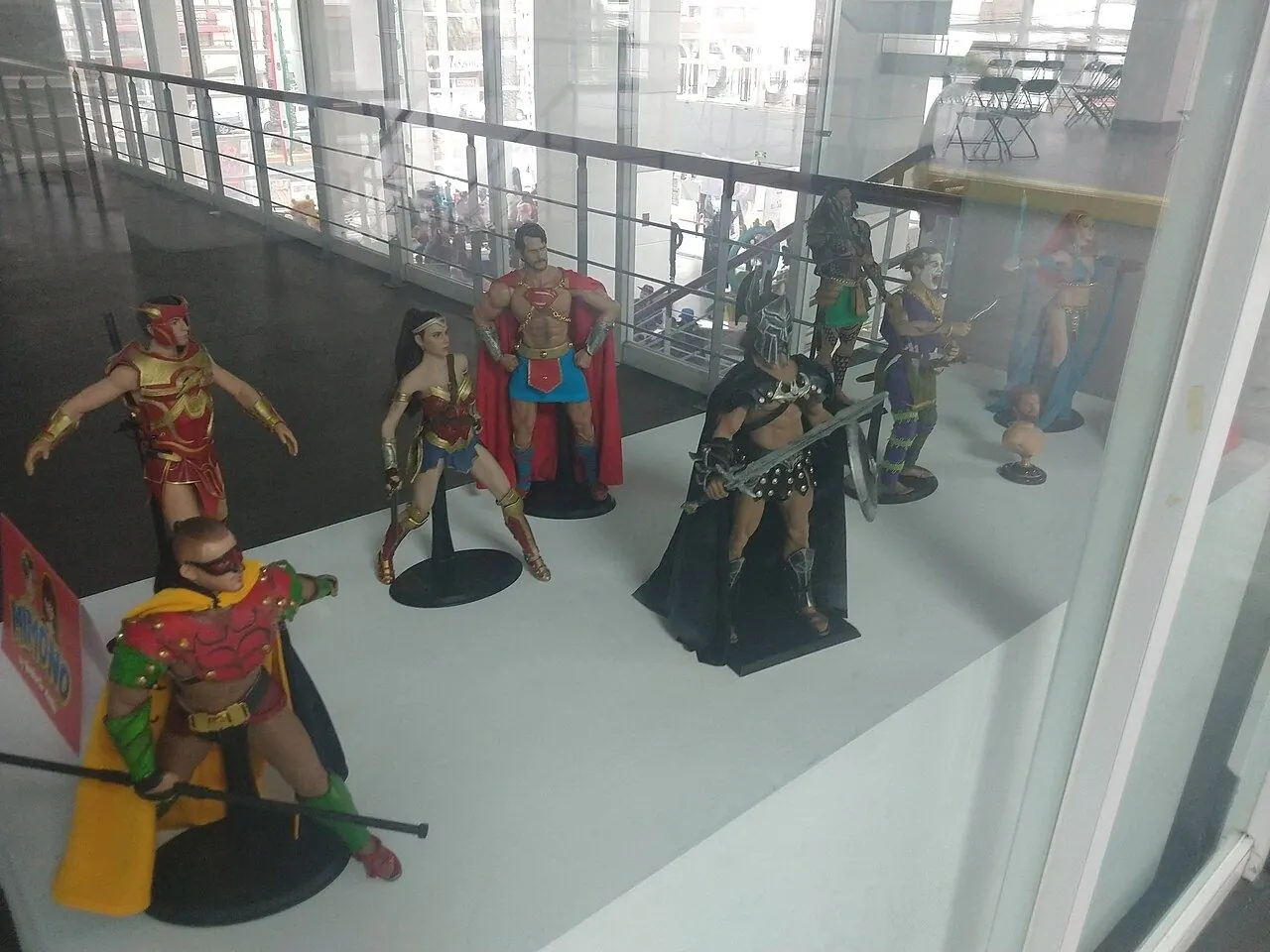
Photo: PetrohsW / Wikimedia Commons, CC BY-SA 4.0
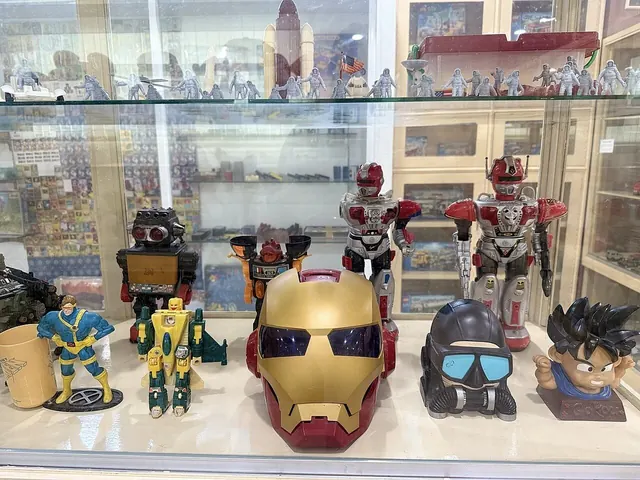
Sixth scale figures are collectible figures made at one-sixth life size, so an adult character stands about 12 inches tall. Next to smaller toys they stand apart through tailored fabric costumes, realistic head sculpts, interchangeable hands and a display base, and they are built for display first and play second.
What sets 1/6 figures apart
Most 1/6 figures are licensed characters from movies, TV, comics and games, and the best known are designed to resemble the actor as the character appeared on screen. A typical release combines a posable body under a tailored costume, a sculpted and painted head, several pairs of interchangeable hands for gripping, pointing or making a fist, character-specific weapons and props, and a themed base. Contents vary by release, so the maker's product page is the place to check exactly what is in the box.
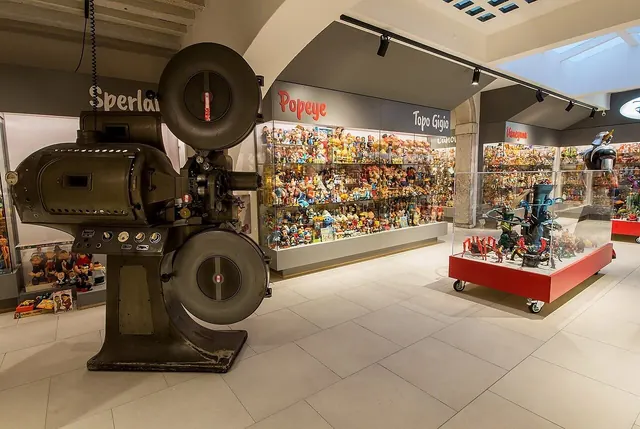
They also take up more room than their 6-inch cousins. A 12-inch figure in an action pose, with a cape or a long weapon, can need a shelf deeper than a standard bookcase, and many collectors use tall glass cabinets to keep dust off.
The major makers
- Hot Toys, founded in Hong Kong in 2000, is the best-known name in licensed 1/6 figures, with lines built around Marvel, Star Wars, DC and other film properties.
- threezero, also Hong Kong-based, started with 12-inch military figures and now makes 1/6 figures and robots from anime, games, film and TV.
- Sideshow, based in California, makes its own sixth scale figures and is also a long-standing seller of Hot Toys.
- DAMTOYS, another Hong Kong maker, is known for detailed 1/6 military figures.
- threeA, Ashley Wood's company, released 1/6 scale robots and figures from 2008, including World War Robot and Tomorrow Kings.
Buying, displaying and caring
Most new 1/6 figures are announced long before they ship and sold through pre-orders. Terms differ by seller: some take a deposit, some charge the full amount at shipping, and release dates often slip, so read the cancellation and deposit terms before you commit. Many figures are produced in a single run and can be harder to find once the pre-order period closes, which leaves the secondhand market.
Handle a 1/6 figure with both hands and support it from below, holding the torso and hips rather than the arms, legs, cape, belts or straps. The Canadian Conservation Institute advises never handling plastic objects by appendages or features that jut out, and recommends padded supports for storage.
Costumes and soft parts need the most care. Clean plastic and rubber parts dry, with a soft brush or a gentle vacuum, and avoid water and solvents, as conservation guidance for rubber and plastics recommends. Rubber, soft PVC and polyurethane parts degrade with age, heat and light, so check them regularly for stickiness, cracking or crumbling, and keep figures out of direct sunlight and away from heaters and air vents. Leave leather-look and fabric costumes on the figure rather than washing them, and remove dust with a soft brush.
The practical takeaway: start with a character you love from a maker with a solid reputation, plan the shelf space before it arrives, read the pre-order terms, and treat the figure like a small museum object: dust-free, out of the sun, and handled from below.
General information for collectors, checked against the sources below at the time of writing. Makers change product lines and packaging; check the maker’s own pages before you buy, repair or ship a piece.